
INDUSTRIAL COMMUNICATIONS & FIELD ENGINEERING

Industrial Networks & Fiber Optics

Reliable connections begin with a clearly defined network.

Globotica Solutions supports the design and integration of industrial communication networks, structured cabling, fiber-optic connections, and associated communications infrastructure. We help define the links between controllers, equipment, and information systems—considering the interfaces, site conditions, and operating requirements of each installation.

Industrial protocols and interfaces · Structured cabling and fiber optics · Installation, testing and field support

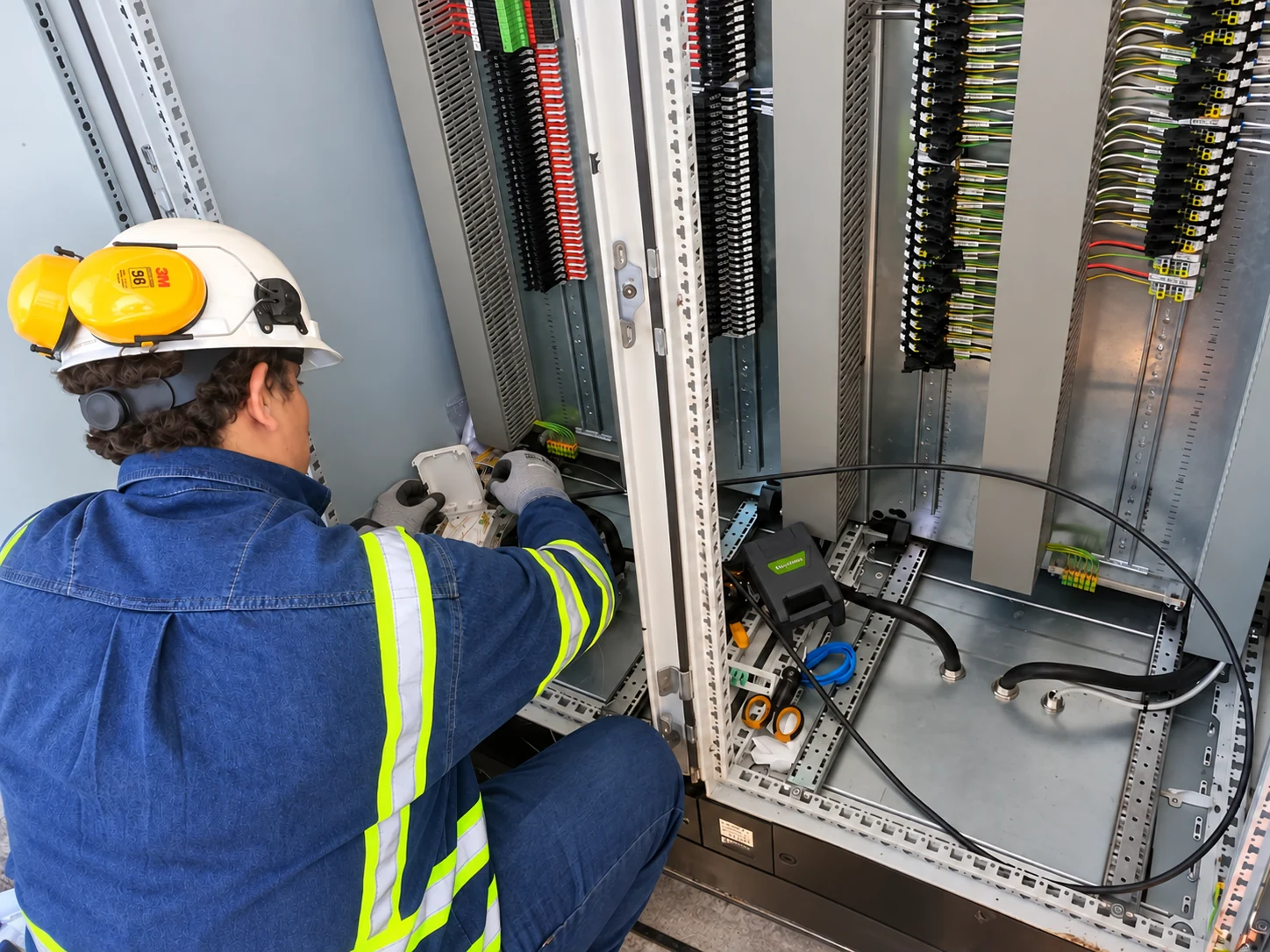
Industrial communications cabinet and technical field work
NETWORK ENGINEERING

Connect industrial equipment and systems with confidence

Communication infrastructure is part of the industrial control environment. A suitable network design must account for the connected devices, required data exchange, physical routes, existing equipment, and access for future maintenance.

Globotica reviews the available network information and project requirements to define the equipment, connections, installation tasks, and verification activities included in the proposed scope. We can address new network connections as well as modifications and support for existing infrastructure.

Industrial network integration

Review controller and device references, network diagrams, communication interfaces, and integration requirements. Applications may involve PROFIBUS, PROFINET, Modbus, or EtherNet/IP; the exact protocol implementation and equipment compatibility must be checked for the project.
Structured cabling

Plan and support cable routes, termination points, cabinet connections, and maintenance of structured communications cabling. Selection and installation requirements depend on the existing infrastructure, connection distances, environment, and connected equipment.

Fiber-optic connections

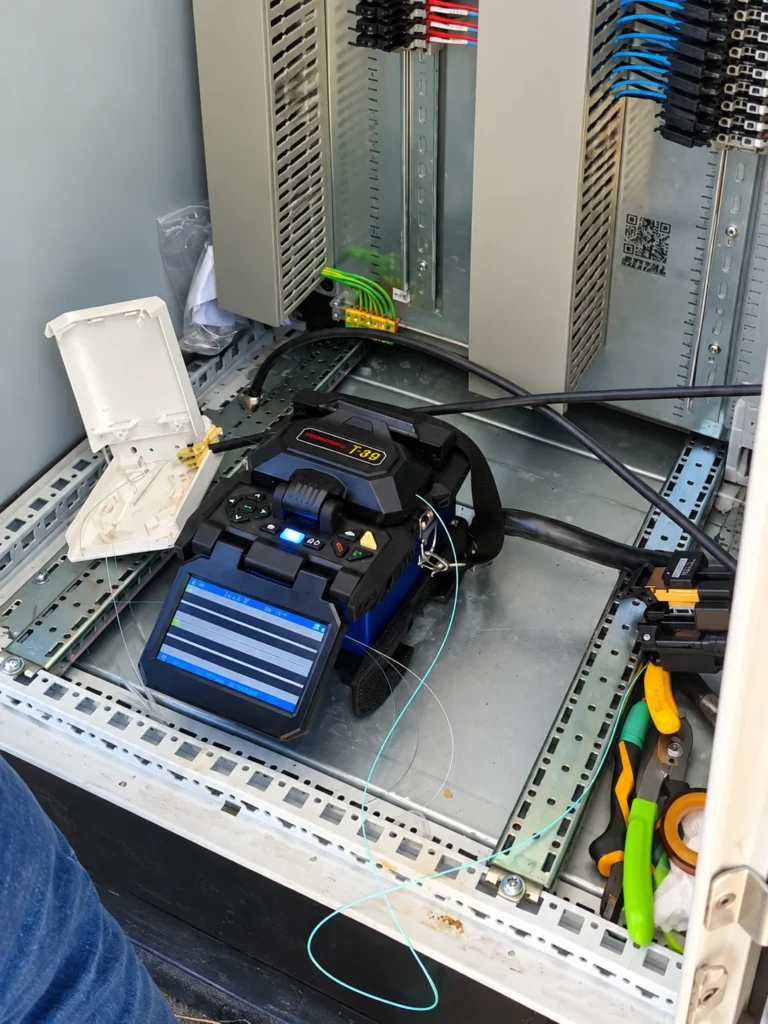
Support fiber-optic connection, fusion-splicing and testing activities according to the fiber type, link arrangement, and requirements of the installation. Existing routes, connector details, and equipment interfaces help define the work.

Communications infrastructure

Review industrial communications cabinets, networking components, telecommunications infrastructure, and the interfaces between operational technology and information systems where relevant to the requested scope.

APPLICATIONS

Network connections across an industrial installation

Industrial networks support the exchange of signals, operating information, and system status between plant equipment. The correct implementation depends on the application's communications requirements and the systems already installed.

Automation and control systems

Communications between PLCs, industrial equipment, HMIs, and supervisory systems.

Electrical and control cabinets

Network and cabling connections between control, protection, and monitoring devices.

Instrumentation and process data

Interfaces used to bring measurement and device information into automation or supervisory systems.

Industrial facilities and communications rooms

Structured cabling, fiber links, cabinets, and infrastructure used to connect distributed areas of a site.

FROM DESIGN INFORMATION TO SITE WORK

Define the connections before defining the work

A clear network request should identify the equipment involved, how devices need to communicate, and the cabling or fiber connections between them. This makes it easier to estimate installation effort, identify interfaces that require checking, and agree on suitable verification activities.

The work scope may include a review of existing diagrams, physical cable or fiber routes, installation and integration tasks, relevant testing, and documentation for handover—depending on the agreed project requirements.

Fiber-optic splicing equipment beside a communications cabinet

Available network topology or drawings and equipment references

Communication protocols, ports, and device interfaces

Cable or fiber type, connection points, and physical routes

Existing cabinets, equipment locations, and site constraints

Required installation, integration, testing, and documentation scope

WORKING APPROACH

A practical route from technical review to handover

01

Understand the requirement

Review equipment references, available drawings, existing connections, required communications, and operating conditions.

02

Define the solution and activities

Identify relevant interfaces, cabling or fiber needs, required equipment, responsibilities, and the proposed installation or integration scope.

03

Execute the agreed scope

Coordinate engineering, configuration, cable or fiber work, and on-site activities around the installation and agreed work schedule.

04

Verify and hand over

Carry out the checks and tests specified for the project, review the defined communication functions, and provide the agreed handover information.

PREPARE YOUR INQUIRY

Help us understand your network and connectivity requirements

You do not need a complete technical specification to start an inquiry. Send whatever information is available so the required interfaces, site activities, and quotation scope can be reviewed.

Equipment manufacturers, model numbers, and existing controller references

Network diagrams, photos, or information about the current installation

Relevant communication protocols and operating functions

Fiber type or cable information, if known

Approximate connection routes, cabinets, and equipment locations

Site conditions, preferred intervention window, and documentation requirements

COMMON QUESTIONS

Frequently Asked Questions

Yes. Describe the PLCs, field devices, control systems, and required data exchange. The network connections and control-system integration can be reviewed within the same technical inquiry.

The current service scope references PROFIBUS, PROFINET, Modbus and EtherNet/IP. Compatibility, supported functions, and the proposed implementation must be evaluated against the specific equipment and application.

Available fiber specifications, route information, connector details, equipment references, site photographs, and the installation or testing requirement are useful starting points.

Testing and handover information can form part of the agreed service scope. The applicable checks, documentation, and acceptance requirements should be defined in the quotation rather than assumed.

Existing infrastructure can be reviewed when drawings, equipment references, communication problems or proposed changes are described. The recommended activities depend on the condition and design of the installation.

EQUIPMENT & FIELD WORK

A closer look at communications infrastructure

Explore examples of technical work associated with industrial network equipment, communication cabinets, cabling, and fiber-optic connections.

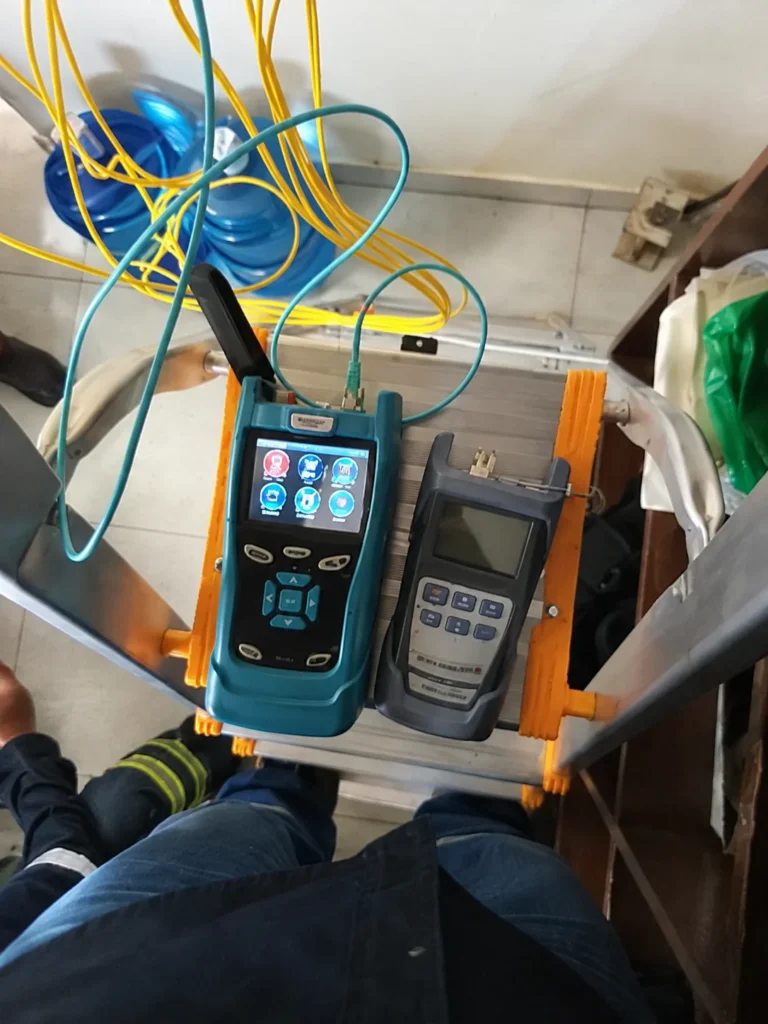
Network test instruments and cable connections
Fiber-optic work inside a communications cabinet
Technician working on communications-rack connections
RELATED CAPABILITIES

Connect network infrastructure with the wider system

Engineering & Automation

Integrate communication requirements with controllers, signals, and industrial control functions.

Maintenance & Field Support

Review existing installed systems and coordinate technical field activities.

Industrial Equipment Catalog

Find relevant industrial components by manufacturer, product family, or reference.

Planning an industrial network or fiber-optic requirement?

Share the equipment involved, existing network information, communication needs, and site conditions. Globotica can review your request and define the proposed equipment supply, engineering, installation, or testing scope.

Scroll to Top